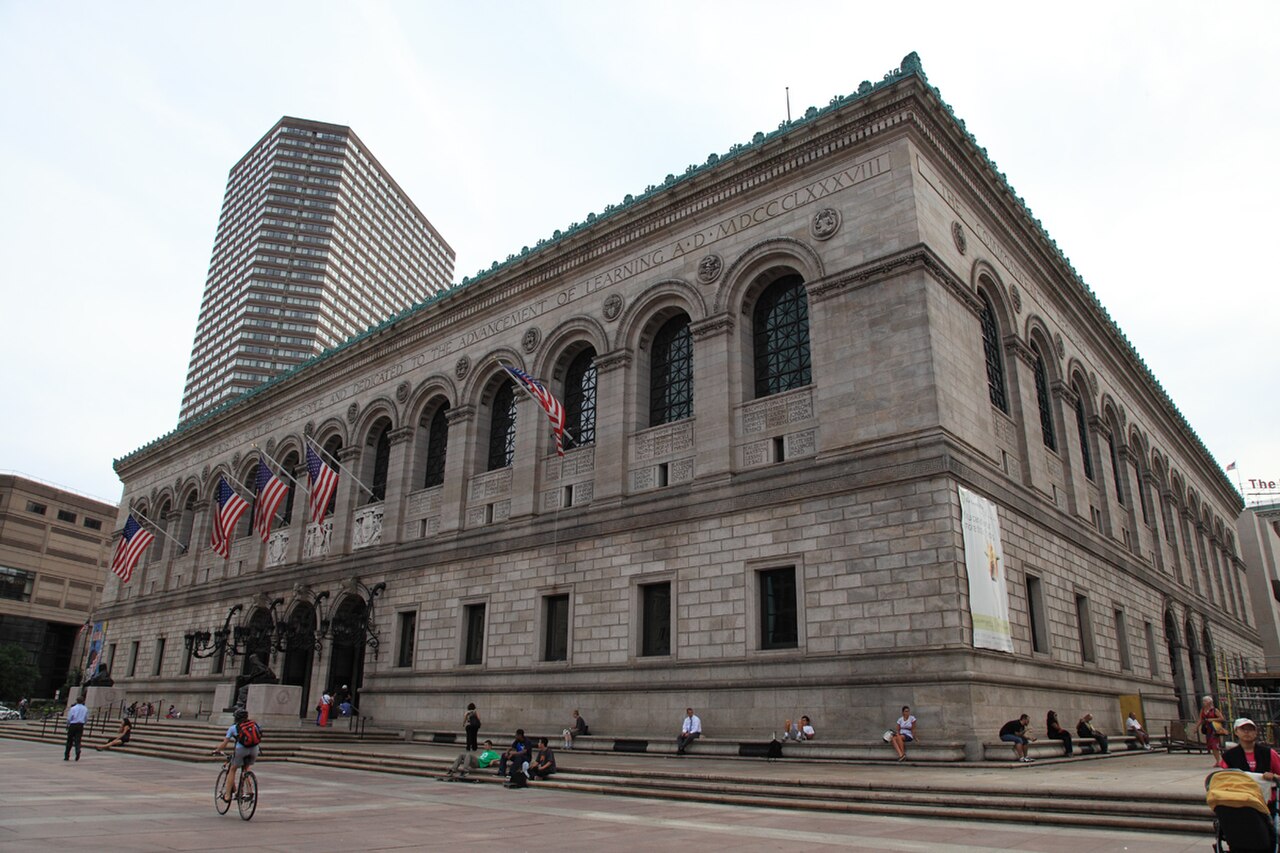
The McKim Building of the Boston Public Library facing Copley Square
Boston Public Library, McKim Building. Wgreaves / CC BY-SA 3.0

Rhett Dawson / Boston, Massachusetts

Your backlog needs a plan you can defend.

For universities, hospitals, cities, and the public owners of big building portfolios in Boston.

You have a deferred maintenance number you cannot defend, a roof replacement and a BERDO deadline in the same year, and a board asking what happens if you wait. Boston’s major building owners have more legitimate needs than money. I help you decide what gets funded next and what waiting costs.

See the case studies

The scale of the decisions

City of Boston
Capital Plan

Source: Boston.gov
$4.4BPlanned capital investment
321Projects across the city
FY27–31Five years of decisions

Capital Decision Checklist

Five questions to ask before any capital investment gets funded. A clear comparison, without a score that hides the judgment.

  1. What must happen?

    Safety, legal obligations, keeping critical services running. The non-negotiable core that frames everything else.

  2. What happens if we wait?

    What fails, what it costs to run in the meantime, what gets disrupted. Deferral gets a price, not a shrug.

  3. What are the alternatives?

    Repair it, replace it, consolidate it, change how it operates, get rid of it. The proposed project is one option. It is not the only one.

  4. What changes the economics or the sequence?

    Funding restrictions, dependencies on other projects, useful life, uncertainty. The stuff that moves a project up, down, or later.

  5. What can we actually execute?

    Staff capacity, design readiness, outages, procurement, approvals. A funded project nobody can deliver is a plan on paper only.

The decisions are real.
So are the buildings.

Six Boston building and infrastructure studies. Each shows a different capital problem, the documented facts, and a question to bring back to your own buildings.

Independent studies of public sources. These owners are subjects of study. No advisory relationship is implied.

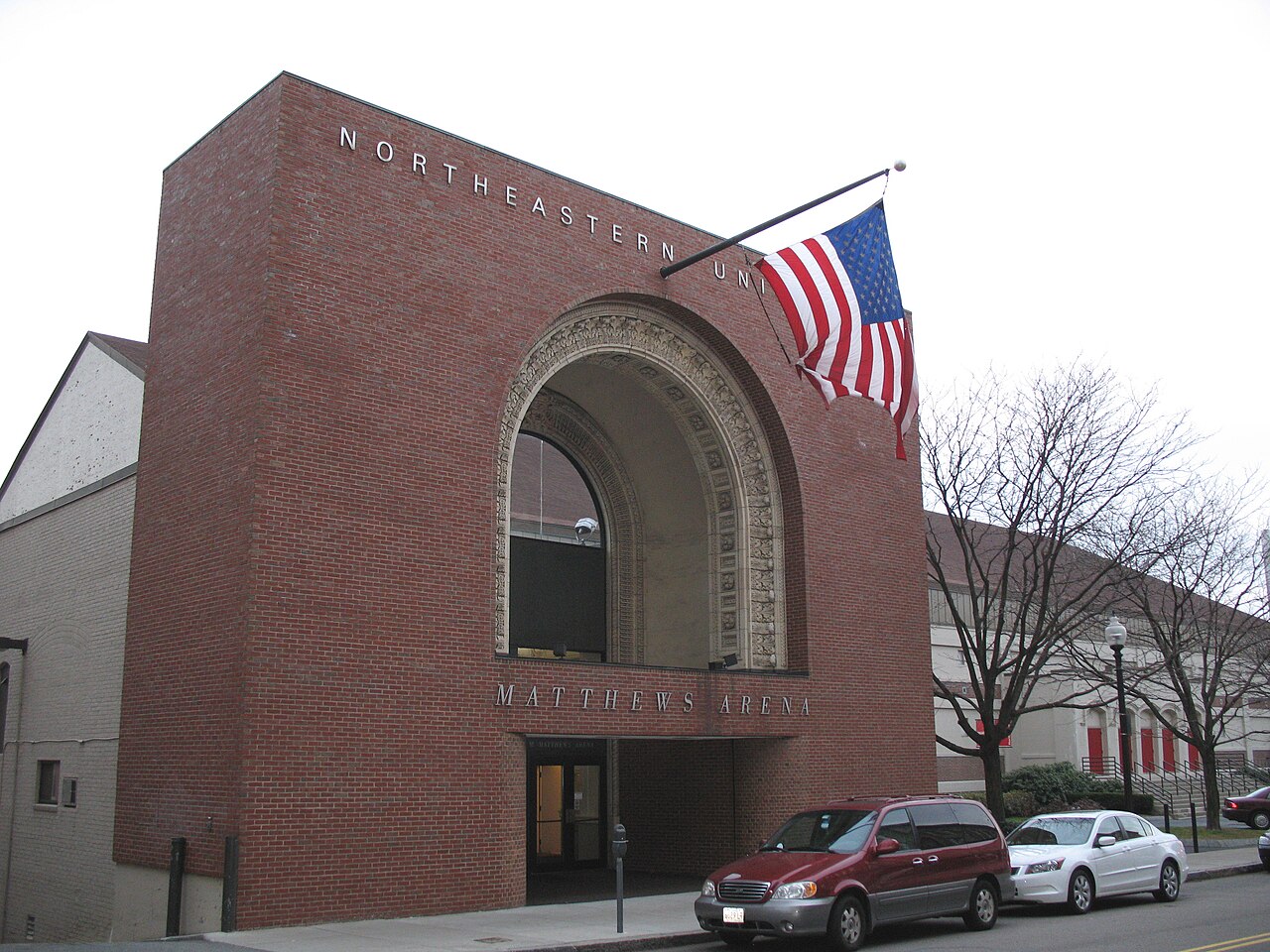
The brick entrance and historic arched doorway of Matthews Arena in 2009
Matthews Arena, 2009. Nusportsinfo / CC BY-SA 3.0

Matthews Arena

Foundation movement and structural shoring preceded the decision to replace the arena.

$350 million approved replacement cost, reported in August 2026. Source: College Hockey News

When should you stop extending your building’s life?

Read the full case study
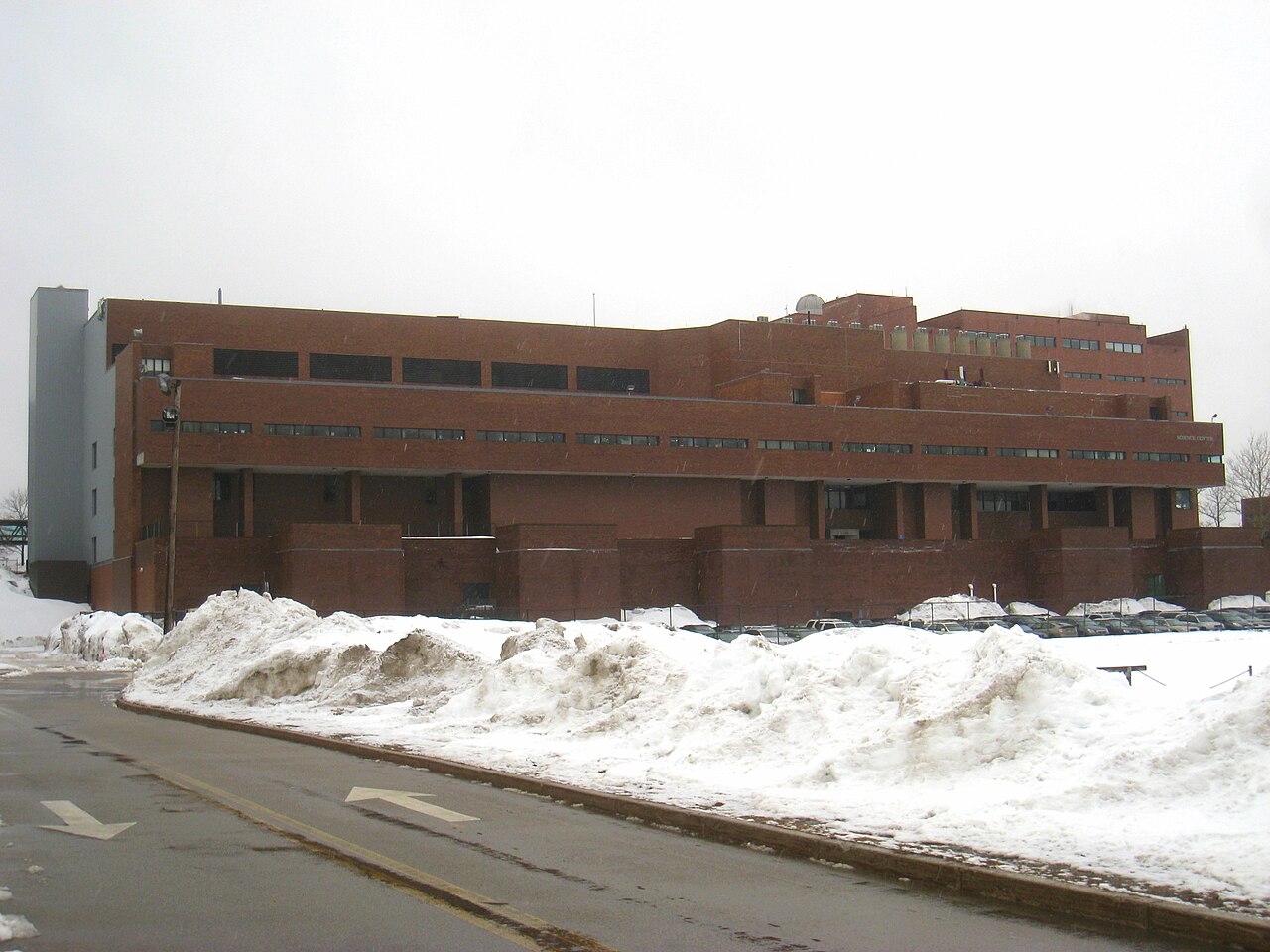
The former UMass Boston Science Center above the campus substructure, photographed in winter in 2011
Former Science Center above the substructure, 2011. Daderot / Public domain

UMass Boston substructure garage

A deteriorating garage beneath campus buildings became a wider demolition and renewal project.

$181.7 million overall project total reported by UMass, including academic building renovations. Source: UMass Boston

Which repairs depend on the buildings around them?

Full case study in progress

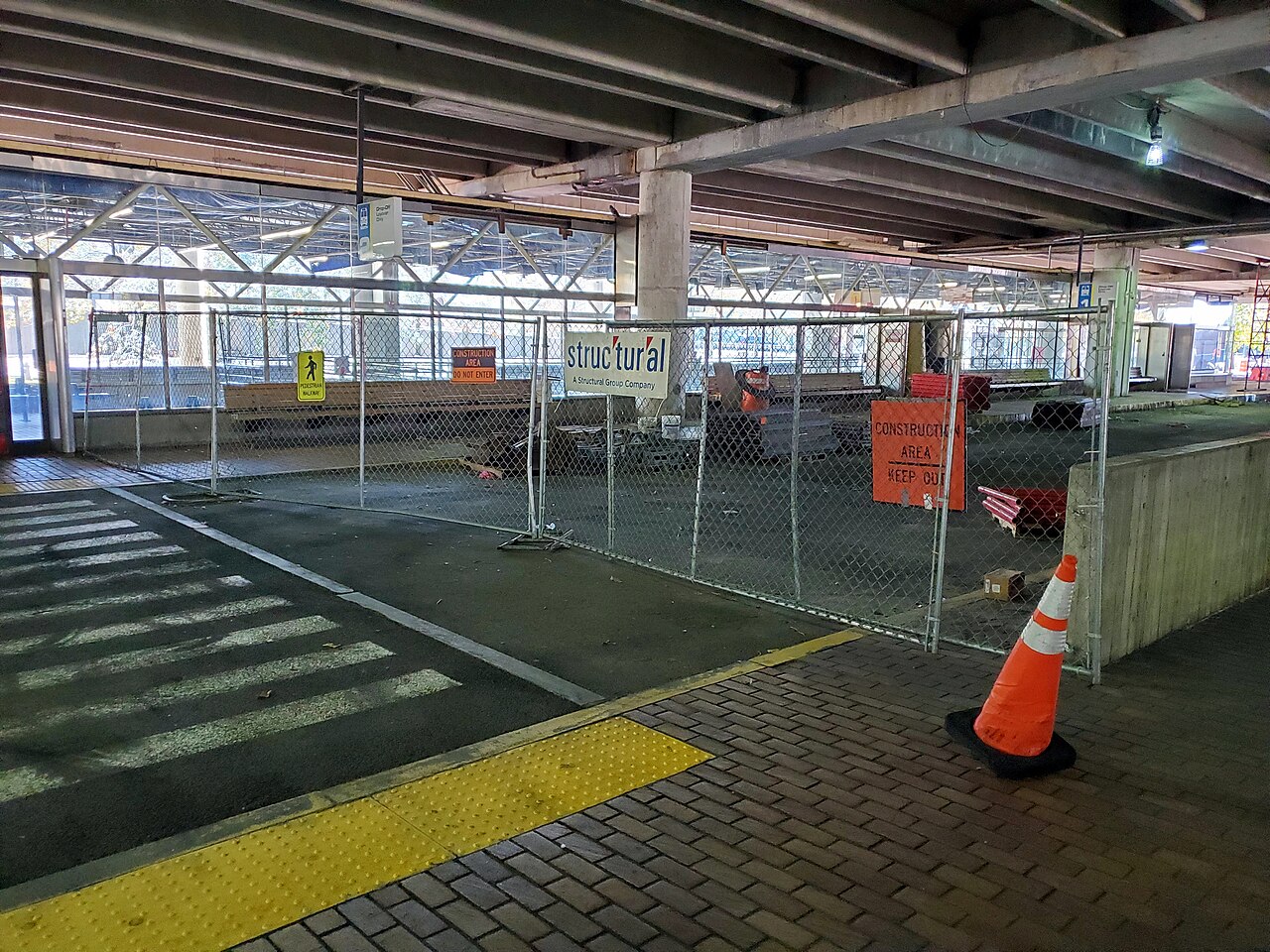
Fenced off repair work inside the Alewife station parking garage in October 2020
Alewife garage repairs, October 2020. Pi.1415926535 / CC BY-SA 4.0

MBTA Alewife Garage

Falling concrete led to structural repairs. A redevelopment procurement was later cancelled.

$30 million in further repairs planned to keep the garage standing for roughly ten more years. Source: StreetsblogMASS, September 2026

What will another replacement delay cost you?

Full case study in progress

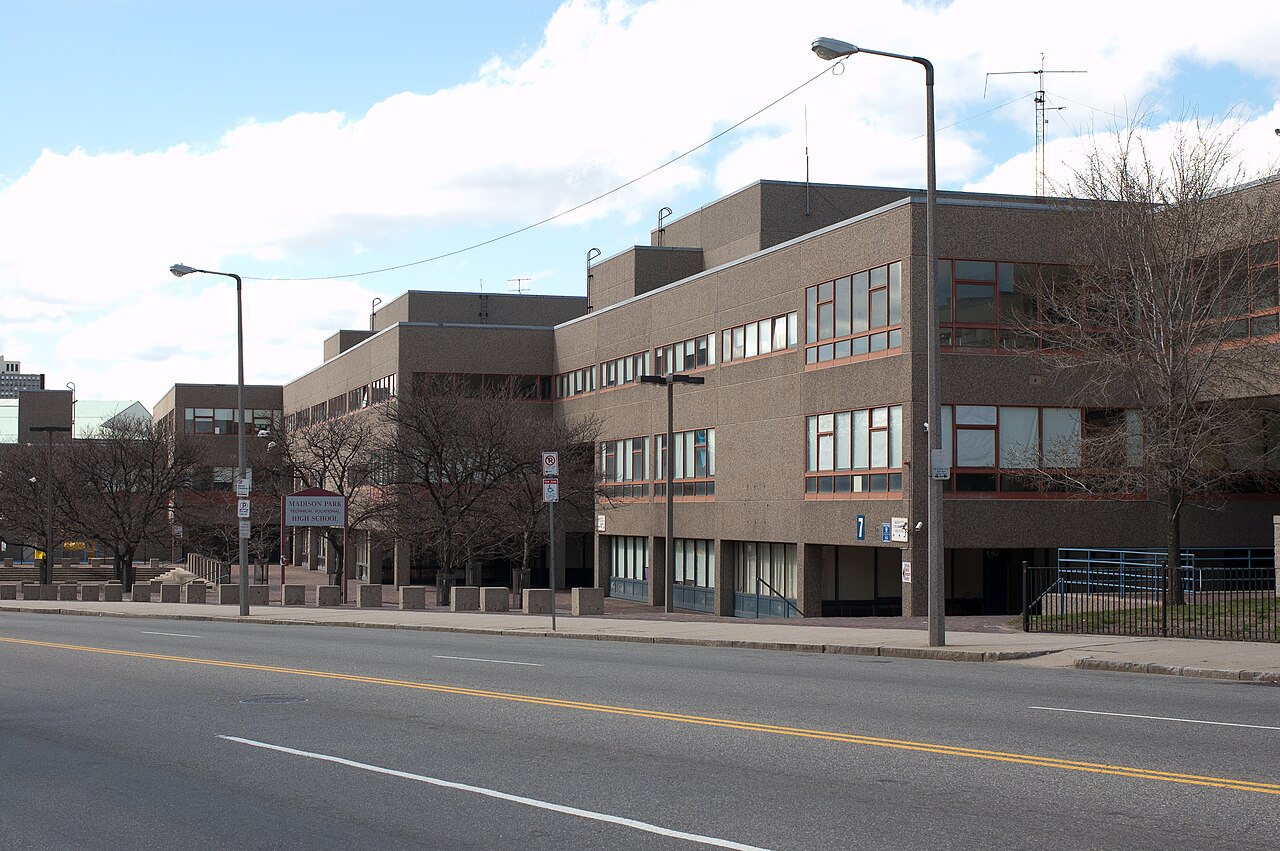
Madison Park Technical Vocational High School along Malcolm X Boulevard in 2011
Madison Park, 2011. Tim Pierce / CC BY 3.0

Madison Park Technical Vocational High School

The city proposed rebuilding and expanding vocational education across the campus. Future capacity is part of the capital decision.

2,200 students in grades 7–12 in the city’s 2023 vision. Source: City of Boston

What future use must you settle before setting the budget?

Full case study in progress

The McKim Building of the Boston Public Library facing Copley Square
Boston Public Library, McKim Building. Wgreaves / CC BY-SA 3.0

Boston Public Library McKim Building

Phased restoration joined historic public spaces with renewal of building systems.

1991–2002 multiphase restoration period recorded by the library. Source: Boston Public Library

How will you renew systems while keeping your building open?

Full case study in progress

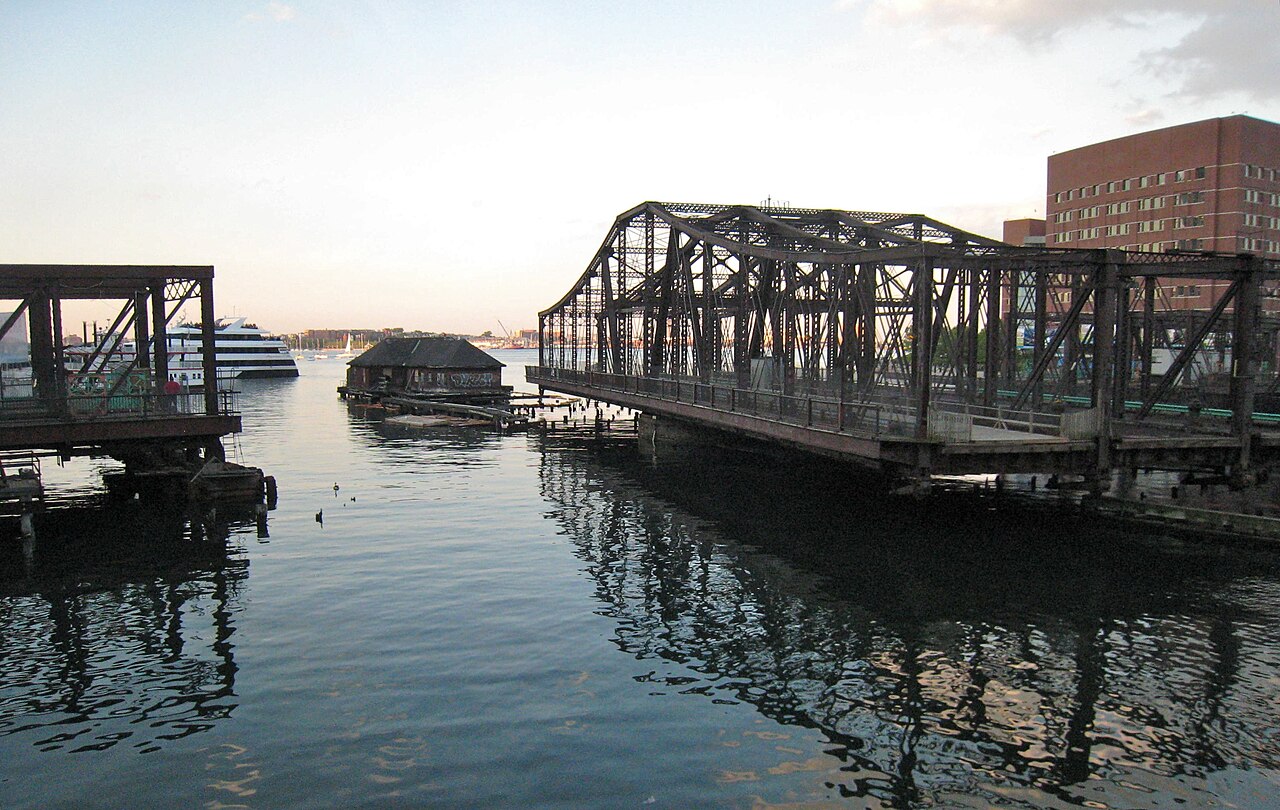
Northern Avenue Bridge swung open over Fort Point Channel, viewed from the Evelyn Moakley Bridge in 2009
Northern Avenue Bridge, 2009. Connie, Cambridge, MA / CC BY 2.0

Northern Avenue Bridge

The bridge closed after inspectors found unsafe floor beams. The city later planned removal with no immediate replacement.

$31 million total budget reported in March 2025. Source: Boston Globe

What still costs money after you stop using it?

Full case study in progress

A capital plan is a set of choices

Your capital plan has to explain what gets funded, what waits, and why. I help you compare the needs, test the alternatives, and put the decision in terms your board can weigh.

Capital prioritization

“A funded list you can explain.”

Needs exceed your budget and condition evidence has gaps. You get a funded list with documented needs, inferred risks, criteria, weights, approval steps, and delivery roles made clear.

Deferred maintenance strategy

“Put a price on waiting.”

Your board wants the cost of another year’s delay. You get a renewal plan ranked by condition and failure consequences, showing what can wait and where delay adds cost or risk.

Decarbonization sequencing under BERDO

“One sequence for roofs, systems, and emissions.”

Your roof replacement and BERDO deadline coincide. You get one sequence for roofs, systems, and emissions, comparing lifecycle costs and compliance paths, with the Alternative Compliance Payment used as a compliance cost benchmark.

Renewal, replacement, and consolidation analysis

“Compare the options before choosing the project.”

You keep repairing a building without knowing whether to keep it. You get repair, replacement, consolidation, and disposal compared on one page, with costs, consequences, and uncertainties.

What changes the next capital decision.

Local news and source documents, with a short read on what each means for your buildings.

  1. City of Boston (updated)

    BERDO’s $234 per ton payment is a compliance cost benchmark

    The $234 per metric ton of CO2e payment is a compliance cost benchmark, not a published investment hurdle rate. It informs project economics alongside lifecycle costs, timing, and other compliance pathways.

  2. City of Boston (vote)

    MSBA advances Madison Park to feasibility study

    The vote advances a study without settling the final rebuild cost. Keep your building’s future use and capacity open to comparison before settling its budget.

  3. MA Higher Education Capital Working Group

    Higher education working group puts the public campus capital need at 24.9 billion dollars

    The need is more than a hundred times the annual programming level of about 156.5 million dollars, and 5.57 billion dollars of it is deferred maintenance. Buildings built in the same decades wear out in the same decades, so if your portfolio has an age cohort, your need arrives as a shark chart, not a slope.

If you manage buildings like these, this is the conversation I have for a living. If you are trying to decide what to fund and what can wait, let’s talk.